
This post may contain affiliate links which means we may receive a commission for purchases made through links. Learn more on our Disclaimer & Privacy Policy Page.
“Overwhelmed by anxiety? Discover 7 beginner meditation techniques for anxiety relief, backed by neuroscience, to calm your mind in minutes”
Introduction: The Power of Meditation for Anxiety
Did you know 40% of adults experience anxiety daily?
According to the American Psychological Association (APA, 2023), chronic stress and anxiety have become a common thread in modern life.
Stress in America 2023: A nation recovering from collective trauma? If racing thoughts, sleepless nights, or constant worry weigh you down, meditation could be your key to lasting calm—without medication or expensive therapy.
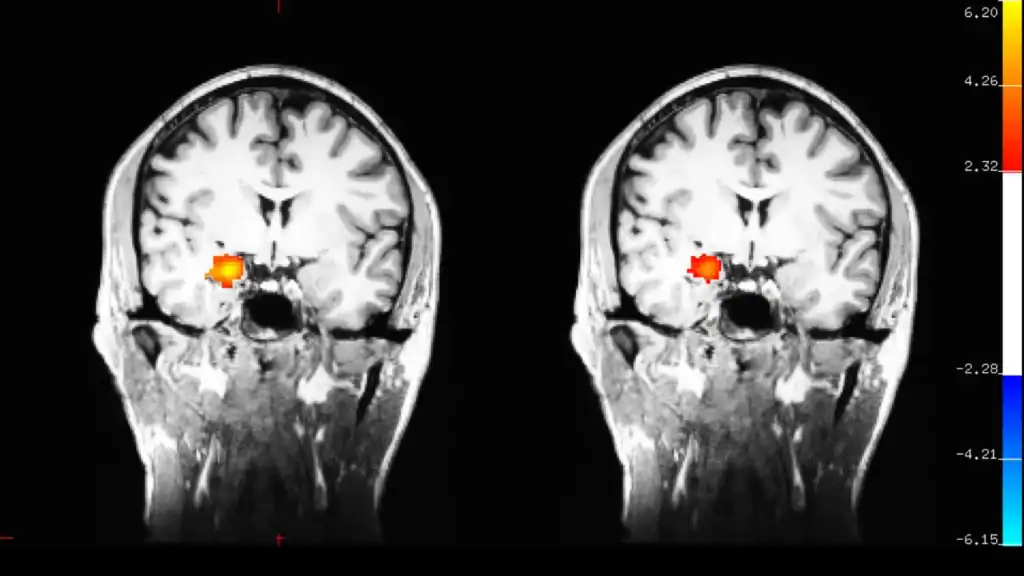
Meditation isn’t about emptying your mind or achieving perfection. Instead, it’s a science-backed tool that rewires your brain to handle stress better. Studies from Harvard Medical School (2018) show that just 8 weeks of meditation can shrink the amygdala—the brain’s fear centre—while strengthening areas linked to focus and emotional control.
This guide breaks down 7 beginner-friendly meditation techniques for anxiety relief, all supported by neuroscience and ancient wisdom. Whether you have 30 seconds or 10 minutes, these practices can help you regain peace—starting today.
How Meditation Reduces Anxiety: The Science
Before diving into techniques, let’s explore why meditation works for anxiety:
1. Lowers Stress Hormones
- A 2020 study in JAMA Psychiatry found that mindfulness meditation reduces cortisol (the stress hormone) by 30% in just 3 weeks.
2. Rewires the Brain
- MRI scans reveal that regular meditation thickens the prefrontal cortex, improving emotional regulation (Psychiatry Research, 2021).
3. Breaks the Cycle of Overthinking
- Anxiety often stems from rumination (repetitive negative thoughts). Meditation teaches you to observe thoughts without reacting, weakening their grip (Mindfulness Journal, 2022).
7 Beginner Meditation Techniques for Anxiety Relief
These beginner techniques are simple, accessible, and require no special tools—just your breath and presence.
1. Box Breathing (Navy SEAL Method)
How it helps: Slows your heart rate, signalling safety to the brain.
How to do it:
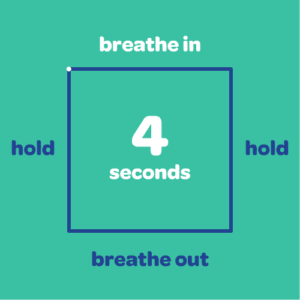
- Inhale for 4 seconds
- Hold for 4 seconds
- Exhale for 4 seconds
- Hold for 4 seconds
Repeat for 3-5 rounds.
Science: Used by military personnel to stay calm under pressure. Box breathing is a simple breath-control method that lowers cortisol levels and heart rate.
A study published in the Journal of Clinical Psychology (2020) found that controlled breathing like box breathing significantly reduces anxiety by activating the parasympathetic nervous system.
2. Body Scan Meditation
How it helps: Releases physical tension linked to anxiety.
How to do it:
- Lie down or sit comfortably.
- Focus on your toes, noticing any tension.
- Slowly move up—feet, legs, stomach, chest, arms, face—releasing tightness with each exhale.
Science: Reduces muscle tension and lowers blood pressure.
3. Mantra Repetition
How it helps: Repeating a calming phrase can interrupt anxious thoughts and anchor your focus
Beginner-friendly mantras:
Use short, reassuring mantras like:
- “I am safe.”
- “This too shall pass.”
- “I am enough.”
Tip: Whisper or think the phrase 10-20 times, syncing with your breath.
A 2016 randomized control trial published in Behavioural Brain Research showed mantra meditation reduces repetitive negative thinking, a common feature of anxiety disorders
4. Walking Meditation (For Restless Minds)
How it helps: Combines movement with mindful breathing and observation.
How to do it:
- Walk slowly, feeling each step.
- Notice the ground beneath your feet, the air on your skin.
- If thoughts arise, gently return focus to walking.
Best for: People who fidget during seated meditation.
Walking meditation has been shown to lower heart rate and improve mood, especially in nature settings (Frontiers in Psychology, 2019).

5. Guided Imagery (Nature Escape)
How it helps: Triggers the brain’s relaxation response.
Perfect for beginners, guided meditations provide step-by-step instructions through an app or recording.
Try this:
- Close your eyes and imagine a peaceful place (beach, forest).
- Engage all five senses—smell the ocean, hear the leaves rustle.
Recommendation:
Apps like Insight Timer and Smiling Mind offer free anxiety-specific meditations.
A 2020 meta-analysis in JAMA Internal Medicine confirmed that guided mindfulness meditation can significantly reduce symptoms of anxiety and depression.
Science: Lowers heart rate and muscle tension (Journal of Behavioral Medicine, 2019).
6. Loving-Kindness Meditation (For Self-Compassion)
How it helps: Counters self-criticism, a common anxiety trigger.
Phrases to repeat silently:
- “May I be happy. May I be safe. May I be at peace.”
- Extend this to others: “May you be free from suffering.”
Proven benefits: Research from Stanford University (2013) found that just 7 minutes of loving-kindness meditation increases positive emotions and social connectedness, both linked to reduced anxiety.
7. The 5-4-3-2-1 Grounding Technique
How it helps: Stops panic spirals by anchoring you in the present.
Steps:
- Name 5 things you see.
- Touch 4 objects (e.g., your chair, clothes).
- Listen for 3 sounds.
- Notice 2 smells.
- Identify 1 taste (e.g., toothpaste, coffee).
It’s often used in cognitive-behavioural therapy (CBT) to reduce panic and overthinking by engaging the sensory brain.
Why it works: Activates the sensory cortex, shifting focus from fear to the present (Anxiety and Depression Association of America, 2022).
Common Beginner Mistakes (And How to Fix Them)
Even simple techniques can feel tricky at first. Avoid these beginner traps:
❌ “I can’t stop thoughts.”
✅ Fix: Thoughts are normal! Just notice them like passing clouds and return to your breath.
❌ “I don’t have time.”
✅ Fix: Even 1 minute helps. Try meditating while brushing your teeth or waiting in line.
❌ “I need perfect silence.”
✅ Fix: Background noise is fine. Try nature sounds or white noise if needed.
How to Build a Daily Meditation Habit
Consistency is key—but start small to stay motivated.
- Start small (2-5 minutes daily).
- Pair it with a habit (e.g., after morning coffee).
- Use free apps like Insight Timer or Headspace for guidance.
Anchor your practice to an existing routine—like after coffee or before bed—to build momentum.
Helpful Tools:
- Sleepy Meditation – Free guided meditations and other tools
- Journal or Anxiety Checklist
Pro tip: Track progress in a journal. Note how you feel before vs. after each session.
Conclusion: Your Anxiety Doesn’t Define You
Meditation isn’t a magic cure, but science confirms it’s one of the most effective natural anxiety remedies. The key? Consistency over perfection.
With just a few minutes a day, these beginner-friendly techniques can help you create mental space, calm your nerves, and feel more in control.
Tonight, try just one technique—maybe box breathing or the 5-4-3-2-1 method—and observe the shift.